

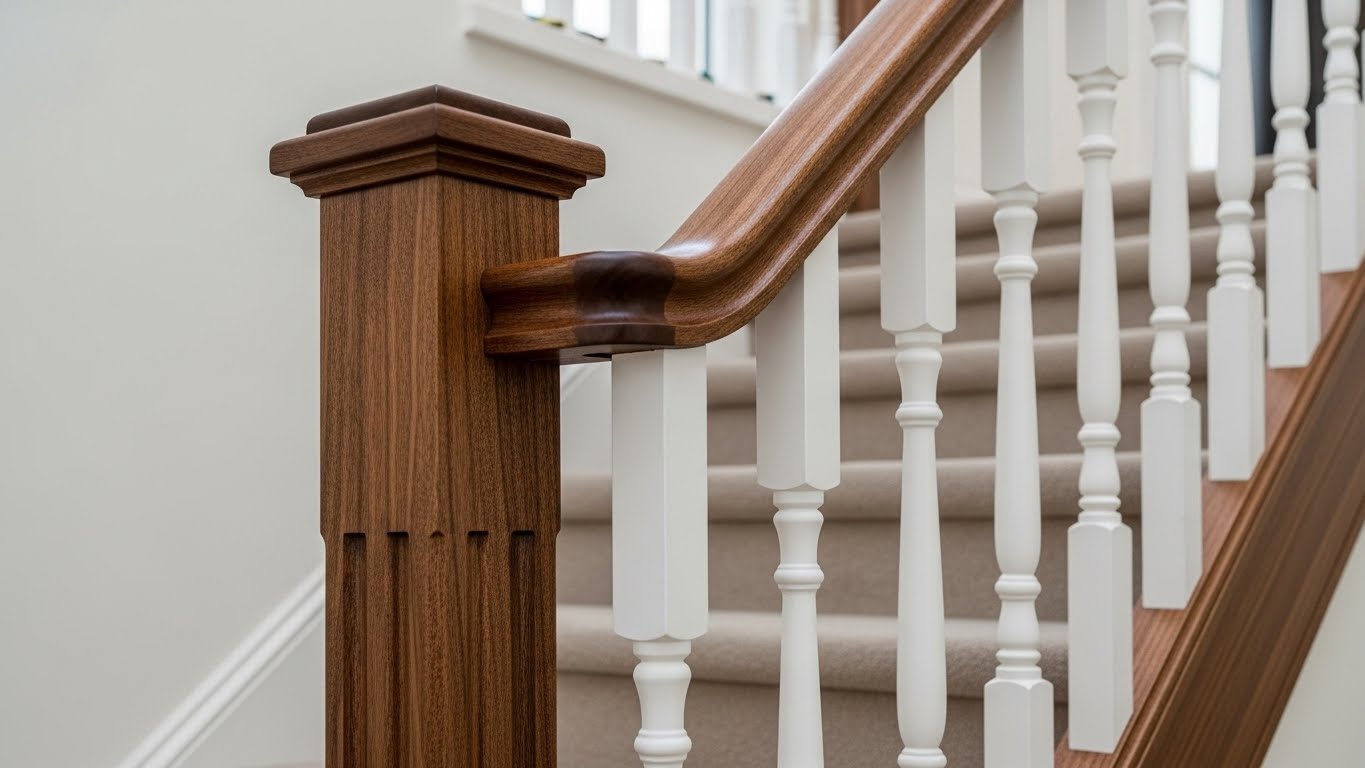
Stair railings provide support and safety while traversing the stairway. Your stair railings may be prone to wear from constant use, moisture, and dirt buildup, and they require regular maintenance. Stair railing installation services provide a long-term home feature that requires regular maintenance to stay in good condition. Here are a few ways to maintain and care for your stair railings:
Inspect for Rust Regularly
A stair railing’s metal components are susceptible to rust when exposed to moisture. By inspecting your stair railing regularly, you can identify rust early and prevent it from spreading. Check your stair railing regularly, looking closely for rust spots, loose fittings, or chipped paint, and address any issues promptly. You can use a cloth or soft-bristled brush to gently wipe down the railing.
If you notice rust, remove it immediately with a rust remover and touch up the affected area with paint. Your railing will not only look better but also last longer. When you take care of rust regularly, you also prevent potential safety hazards and preserve the material’s integrity.
Tighten Loose Fasteners
The structural integrity of your stair railing is a key determinant of its safety. The fasteners that hold your railing in place may become loose due to repeated use, exposure to the elements, or regular wear and tear. To do this, you can use a wrench to tighten the bolts and screws that secure your railing.
Some causes of loose fasteners include excessive vibration, frequent use, and constant weather fluctuations. To prevent this from happening in the future, you can apply a small amount of thread-locking compound to the bolts. You should regularly check for any loose fasteners and tighten them as needed.
Apply Protective Coatings
Before installing your railing, add a protective coating to prevent rust and corrosion. When you’re working with metal railings, protect them from the elements. Apply several coats of each, allowing proper drying time in between, to support your railing’s durability.
There are various types of protective coatings available in the market, such as paint, powder coating, and galvanization. During stair railing installation, ask your supplier about the ideal protective coatings for your specific material. Check your local building codes for any regulations or requirements regarding protective coatings for railings.
Lubricate Moving Parts
One way to support the smooth functioning of your stair railing is to regularly lubricate any moving parts. This includes hinges, brackets, and joints. Without proper lubrication, these parts can become stiff and difficult to use or make excessive noise. Check and lubricate all moving parts at least once a year. If you notice any stiffness or difficulty in movement, apply lubricant. This will prevent further damage and keep your stair railing functioning properly.
Invest in Stair Railing Installation
Having a professional stair railing installation can save you a lot of time and make sure it is done right. It adds convenience and accessibility to your stairs while supporting safety for you and your family. Contact a trusted contractor for consultation and installation services to achieve proper installation and functionality of your stair railing.

Leave a Reply