
Table of Contents
- Types of Water Heaters
- Fuel Types and Energy Efficiency
- Sizing Your Water Heater
- Installation Considerations
- Maintenance and Lifespan
- Costs and Incentives
- Environmental Impact
- Conclusion
Finding the optimal water heater goes beyond just keeping up with hot showers, it’s about ensuring reliable performance, maximizing efficiency, and minimizing costs for years to come. Today’s homeowners have more choices than ever, resulting in a variety of solutions for every family’s unique needs and budgets. Whether replacing an old unit or upgrading for energy savings, the right water heater can significantly improve comfort and reduce operating expenses. For expert installation options, especially with newer tankless technology, explore professional tankless water heater installation Gaithersburg to get started with confidence.
Understanding the different types, energy sources, and sizing options ensures you select a model that fits seamlessly into your lifestyle while managing long-term utility bills. This decision affects everything from your daily routines to your home’s sustainability footprint, so weighing each factor carefully will pay off with years of dependable service.
In many cases, your choice of water heater isn’t just about capacity and upfront expense. Installation specifics and ongoing maintenance are crucial for safety and efficiency, while incentives and rebates could significantly reduce your financial outlay. Homeowners are urged to compare not only the up-front investment, but also how each type and fuel source impacts monthly costs and future resale value.
As you evaluate your options, consult reliable experts and resources to stay informed on the benefits of modern water heater systems.
Types of Water Heaters
Choosing from the range of water heater types begins with understanding their core differences:
- Storage Tank Water Heaters: Still the most popular option, these units maintain a reservoir of heated water at all times. They’re reliable, easier to install, and well-suited for families with predictable hot water demand. However, heat loss in the tank and the possibility of running out during heavy usage are downsides to consider.
- Tankless (On-Demand) Water Heaters: By heating water on demand, tankless heaters provide essentially limitless hot water and save energy by not maintaining a full tank. Their compact size makes them ideal for smaller spaces, though installation and equipment costs can be higher.
- Heat Pump Water Heaters: These use ambient air to heat your water with impressive efficiency—often up to 3 times that of traditional models. While they offer lower operating costs, their need for extra installation space and a mild climate should be factored in.
- Solar Water Heaters: The most eco-friendly solution, solar units use the sun’s energy to heat water, resulting in very low operating costs. The main challenges are the high upfront cost and reliance on regular sunshine for the best results.

Fuel Types and Energy Efficiency
Different fuel sources present distinct advantages and limitations depending on your home’s infrastructure and market rates:
- Electric: Available virtually everywhere, electric water heaters are easy to install and maintain. Despite their convenience, electric units tend to have higher operating costs, especially in areas with expensive electricity.
- Natural Gas: Offering faster heating and generally lower operating expenses, natural gas heaters are great options where service is available, but do require safe venting and gas line access.
- Propane: Often chosen in rural settings, propane units offer flexibility similar to natural gas, just in a portable form, but fuel price volatility can impact long-term costs.
- Solar: With unmatched efficiency and environmental benefits, solar water heaters eliminate utility costs, though their practicality is based heavily on roof orientation and annual sunlight.
For head-to-head model comparisons, pay attention to Uniform Energy Factor (UEF) ratings a higher UEF means greater efficiency. Notably, heat pump water heaters stand out with UEFs above 3.0, making them leaders in energy savings.
Sizing Your Water Heater
Getting the size right is key to reliable hot water without unnecessary energy waste:
- Storage Tank Heaters: Consider household size and the timing of peak usage. For a family of four, a 50- to 60-gallon tank generally suffices, but homes with high simultaneous demand might need more capacity.
- Tankless Heaters: Here, the focus shifts to flow rate. Calculate the combined gallon-per-minute needs for all devices in use at once (showers, dishwashers, etc.) to choose the proper output—ensuring your system keeps up with even morning rush hour.
Installation Considerations
Water heater installation is about more than just plugging in a new device. Consider these critical factors:
- Location: Ensure there’s sufficient room for installation, especially for heat pumps that benefit from about 700 cubic feet of air space or for gas units that need ventilation. Placement impacts performance and maintenance ease.
- Electrical and Plumbing Requirements: Ensure your home’s electrical system and gas lines can accommodate the power and fuel requirements of upgraded or alternative models. Modern tankless and heat pump systems may have unique requirements.
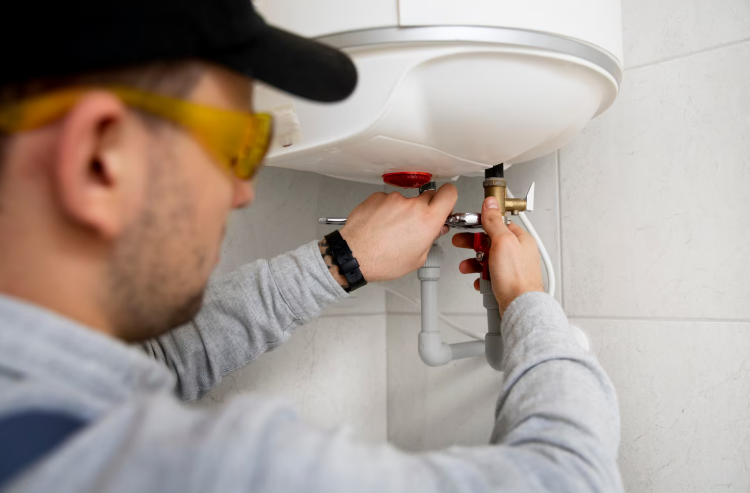
- Permitting: Follow all local building codes and acquire necessary permits. Proper installation from licensed professionals guarantees safety and insurance compliance.
Maintenance and Lifespan
Regular maintenance is crucial to keep your investment performing well:
- Flush the Tank: An annual flush will help remove sediment, preventing both efficiency loss and premature failure.
- Check the Anode Rod: Inspect and replace this corrosion-fighting component every few years to safeguard tank integrity.
- Leak Checks: Frequent inspections for leaks at connections and around the tank itself ward off surprises and water damage.
Generally, traditional tank water heaters last 10–15 years, while tankless water heaters can last 20 years or more with consistent care.
Costs and Incentives
Think beyond just the price tag, factor in lifetime operating expenses and available rebates:
- Upfront Costs: Tankless and solar heaters often carry higher purchase and installation costs, but prolonged savings on energy bills frequently offset these.
- Running Costs: More efficient units substantially reduce monthly expenses.
- Incentives: Federal tax credits like the $2,000 option through 2025 and state rebates (up to $900 in California for heat pump models) can dramatically lower your net cost. Check your state’s energy office or resources like Tom’s Guide for current offers.
Environmental Impact
A modern, energy-efficient water heater can make a significant difference in your household’s environmental impact. Systems that draw energy from renewable sources, such as heat pumps and solar heaters, curb greenhouse gas emissions and reduce reliance on fossil fuels, helping build a more sustainable future.
Conclusion
With careful consideration of your household’s needs and available incentives, selecting the right water heater can provide years of reliable hot water, reduced utility bills, and a greener home. Balance the up-front investment against efficiency, maintenance, and installation requirements to find your best fit, and always consult trusted professionals for installations and repairs to ensure a safe, seamless process from start to finish.