A flooring store helps homeowners select surfaces, plan layouts, and coordinate materials. Many buyers start with a limited understanding of textures or room-specific needs, and a showroom makes it easier to refine options through direct comparison. By displaying multiple flooring types in one location, a showroom allows customers to move efficiently between different categories. Here is what to look for in a local flooring store:
Showroom Layout
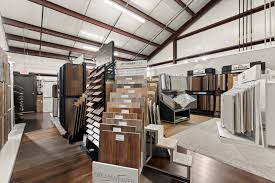
A flooring store presents hardwood, tile, vinyl plank, laminate, and carpet in a single showroom. Hardwood sections often include materials like oak and hickory boards arranged in full-room mockups. Tile displays typically show ceramic and porcelain laid in kitchen or bathroom settings. Vinyl plank installations mimic wood grain patterns across large floor sections.
Staff members arrange these materials in life-size installations rather than small handheld samples. This setup gives homeowners a direct view of grain patterns, color variation, and seam alignment. Lighting rigs inside the showroom simulate daylight and indoor conditions to show how finishes shift throughout the day. Customers are able to walk from one installation to another without leaving the main space.
A single visit often includes several flooring styles placed side by side for direct comparison. One section might pair wide-plank oak with matte-finish porcelain tile to highlight contrast in texture and reflectivity. Another area might place gray vinyl planks next to patterned ceramic tiles to emphasize design differences. This process allows for a full-scale material evaluation.
Material Variety
Floor coverings respond differently to moisture, foot traffic, and daily wear. A flooring showroom may organize products by construction, separating engineered wood from solid hardwood to highlight structural differences. Each section allows individuals to view how layering, core materials, and backing systems influence performance after installation.
Hardwood shows natural variation in grain and board alignment across full planks. Vinyl plank and laminate maintain repeating surface patterns that create visual consistency across large areas. Tile and stone deliver dense, rigid surfaces that resist water, staining, and abrasion, which suits kitchens, bathrooms, and entryways. Carpet softens interior spaces by absorbing light and reducing sound reflection, which changes both acoustics and perceived warmth in a room.
Room Visualization
A flooring store often includes digital visualization tools that place flooring options into real-room photos. A homeowner uploads an image of a living room, bedroom, or hallway, and the system overlays carpet, hardwood, tile, or vinyl onto the space. This setup keeps the room layout constant while the flooring changes, which makes visual differences easier to evaluate. These tools support comparison across multiple materials without requiring physical installation. They also help link showroom samples to specific home conditions such as lighting, wall color, and furniture placement. Key functions of digital visualization tools include:
- Replacing flooring in an uploaded room photo with selected materials
- Keeping room dimensions and layout fixed for consistent comparison
- Showing how different flooring types alter color balance and visual tone
- Supporting side-by-side evaluation of multiple design options within the same space
Visit a Flooring Store
Homeowners choose flooring by evaluating materials and installation requirements. A flooring store supports that process by presenting products in structured displays that make direct comparison straightforward. Contact a flooring store to learn more about the materials they offer.