
Key Takeaways:
- Modern design enhances functionality and aesthetics in daily living environments.
- Incorporating innovative technologies and sustainable materials creates efficient, eco-friendly homes.
- Biophilic design elements improve well-being by connecting indoor spaces with nature.
Table of Contents:
- Introduction
- Smart Technology Integration
- Sustainable Materials and Energy Efficiency
- Biophilic Design Elements
- Flexible Multi-Use Spaces
- Personalized Interior Design
- Conclusion
Introduction
Modern design influences virtually every aspect of our daily lives, from the way we interact with our homes to the atmosphere we create for family and friends. By embracing principles that prioritize both function and beauty, designers reshape everyday living spaces into environments that enhance comfort, efficiency, and well-being. Whether you are building for the first time or reinventing your current home, collaborating with Pleasanton, CA, real estate experts Armario Homes can provide valuable insights into maximizing the potential of your living space using modern design techniques.
This blend of innovation and intentionality is evident in the rise of homes that feel both inviting and effortless to navigate. Today, there’s a renewed emphasis on creating spaces that support wellness, adaptability, and expression—far beyond superficial allure. Homeowners crave surroundings that improve quality of life, while remaining stylish and timeless.
Modern design leans on clean lines, smart layouts, and the thoughtful use of technology and natural materials. Interior environments become sanctuaries not just because of their aesthetics, but also through purposeful spatial planning, calming atmospheres, and flexible room solutions. As a result, homeowners benefit from environments that improve everyday routines and overall comfort.
The transformation of everyday living spaces is ongoing and deeply tied to advances in sustainability, design philosophy, and technological integration. Embracing these changes supports a more organized, healthy, and harmonious lifestyle, paving the way for living spaces that truly reflect contemporary needs and values.
Smart Technology Integration
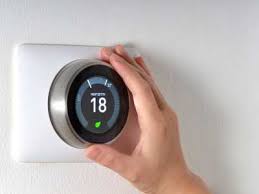
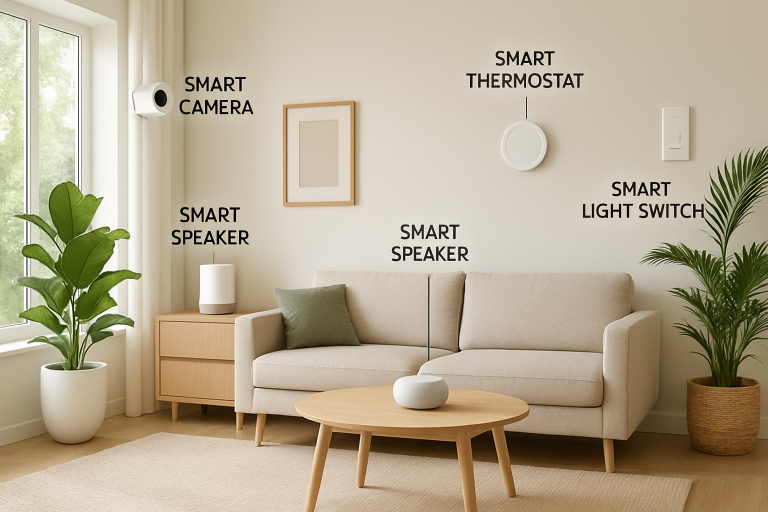
The integration of smart technology has revolutionized home living, offering unprecedented control and automation for countless household functions. Voice assistants, mobile apps, and automated systems now handle everything from lighting and temperature to security and entertainment. For example, smart thermostats learn your routines and adjust temperatures to ensure optimal comfort while minimizing energy use, which contributes to both convenience and sustainability. These innovations also allow residents to monitor their homes remotely, increasing peace of mind and flexibility.
Benefits of Smart Home Features
- Enhanced security and surveillance
- Improved energy efficiency through automation
- Seamless convenience via voice-controlled systems
- Personalized environmental settings for each family member
Smart lighting can mimic natural sunlight, positively impacting circadian rhythms, while integrated home systems can manage everything from appliance use to door locks, creating an effortless living experience. Smart home adoption is on the rise as consumers embrace technology’s potential to streamline day-to-day tasks.
Sustainable Materials and Energy Efficiency
The design industry’s focus on sustainability is transforming the way homes are built and renovated. Modern design champions reclaimed wood, recycled glass, eco-friendly paints, and rapidly renewable materials. These choices reduce the home’s environmental impact and promote longevity. Energy-efficient appliances, solar panels, and high-performance insulation are increasingly becoming standard, lowering both utility costs and the overall carbon footprint of residential spaces.
Design Choices that Support Green Living
- Installation of double-glazed windows for better insulation
- Use of LED lighting and high-efficiency water fixtures
- Solar energy systems to harness renewable power
- Non-toxic finishes to maintain healthy indoor air
Biophilic Design Elements
Biophilic design aims to blur the boundary between inside and outside, enriching homes with touches of the natural world. Incorporating large windows to maximize daylight, selecting organic materials like wood and stone, and adding houseplants encourage a deeper connection to nature. This type of design cultivates a relaxing atmosphere, where visual, tactile, and even olfactory cues remind residents of the outdoors. The psychological benefits are considerable: lower stress levels, improved mood, and increased productivity are all associated with biophilic environments.
Ways to Embrace Biophilic Elements
- Creating indoor gardens or living walls
- Using earthy tones and natural textures in decor
- Choosing furniture crafted from sustainable timber
- Positioning spaces to capture the best views of nature
Flexible Multi-Use Spaces
Modern living often demands that rooms serve more than a single function. Flexibility is a defining characteristic of contemporary homes, making daily life more manageable and spaces more adaptable. Features such as movable partitions, multi-functional furniture, and clever storage solutions mean that a living room can quickly convert into a home office or workout area. As remote work and dynamic family needs increase, so too does the desire for spaces that transform seamlessly to accommodate different activities.
Examples of Versatile Living
- Murphy beds for guest-ready home offices
- Fold-out desks in children’s playrooms
- Expandable tables for dining and studying
- Sliding walls to open or divide space as needed
This flexibility not only maximizes square footage but also ensures the home remains relevant and responsive to changing life stages and routines.
Personalized Interior Design
No two individuals express themselves in quite the same way, and modern design celebrates this by tailoring spaces to unique tastes and preferences. Custom upholstery, expressive art, curated color palettes, and bespoke furniture pieces feature heavily in today’s interior schemes. These touches foster a sense of ownership and comfort, encouraging residents to invest in their surroundings emotionally. Effective design draws out personal narratives, creating a home that feels both functional and deeply meaningful.
Ways to Personalize Your Space
- Displaying artwork and mementos that carry sentimental value
- Selecting accent pieces that tie in family heritage
- Mixing modern trends with classic décor to create contrast
- Leveraging custom lighting to highlight favorite features
Incorporating individuality ensures a more satisfying and authentic living experience, reducing the risk of generic, impersonal environments.
Conclusion
Modern design can profoundly enhance everyday living spaces by thoughtfully combining aesthetics, sustainability, flexibility, and personal expression. Access to advanced technology, eco-conscious materials, and a renewed appreciation for natural inspiration ensures that homes are both beautiful and responsive to their inhabitants’ changing needs. By adopting these principles, homeowners not only improve the quality of life but also invest in living environments that will remain relevant, healthy, and comforting well into the future.
- Tips for Collaborating With an Interior Designer for Your Renovation
- Energy Efficiency Upgrades Offered by HVAC Companies
- What To Look for in a Local Flooring Store
- What to Expect When Hiring an HVAC Company
- The Art and Science of Custom Gates and Fencing for Livestock Operations