
Key Takeaways
- Smart home technology delivers significant convenience and energy savings.
- Integration with AI and IoT offers customized living experiences.
- Advanced security systems enable real-time monitoring and response.
- Smart upgrades can boost property value and marketability.
- Attention to device compatibility and privacy is essential for optimal benefits.
Smart home technology has become central to redefining modern living, offering innovative solutions that enhance convenience, efficiency, and security. As this technology evolves, it is influencing housing choices—including more advanced active adult communities in Oklahoma City—and is gradually transforming daily routines, energy management, and overall comfort in homes everywhere. With a growing emphasis on personalizing domestic spaces, today’s smart homes go far beyond basic automation, integrating artificial intelligence and seamless device connectivity.
The introduction of interconnected smart devices allows homeowners to monitor and control functions such as lighting, heating, and security from their smartphones or through voice commands. In addition to improved convenience, these features support sustainable lifestyles, save money on utilities, and provide peace of mind through advanced monitoring capabilities.
Enhancing Daily Convenience
Controlling your home’s environment has never been easier. With devices like Alexa, Google Home, or Apple HomeKit, homeowners can control lighting, temperature, entertainment, and even appliances from virtually anywhere. Automated routines—like scheduled lights or preset thermostats—reduce repetitive tasks and offer a new level of comfort and efficiency, especially valuable for older adults and busy families.
For many, smart home systems provide an added layer of reassurance, as they allow easy check-ins on family members or property, even when on the go. Intuitive voice commands streamline processes and make technology more accessible for users of all abilities.
As the trend advances, even community living environments are integrating automation features to attract residents seeking low-maintenance lifestyles, such as those in active adult communities. These spaces are increasingly designed with built-in smart systems that help enhance residents’ comfort, accessibility, and safety—an increasing priority as the population ages.

Boosting Energy Efficiency
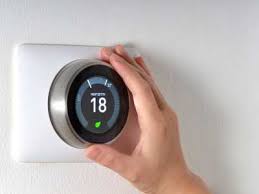
Smart thermostats and lighting systems deliver significant energy savings by learning user schedules and adjusting energy usage accordingly, based on times of occupancy or absence. For example, smart thermostats like Nest or Ecobee analyze patterns and make micro-adjustments to maintain comfort while saving electricity, resulting in lower bills and reduced waste. Likewise, intelligent lighting systems automatically turn off when rooms are vacant or adjust brightness based on natural daylight levels.
These technologies not only cut costs but also promote sustainability by conserving resources. As reported by Forbes, some households have seen energy reductions of up to 20% thanks to smart home upgrades, making their adoption particularly appealing to environmentally conscious homeowners.
Strengthening Home Security
Modern homeowners place heightened importance on robust security. Smart locks, video doorbells, and high-definition surveillance cameras provide real-time alerts and remote monitoring features. Home security apps enable instant responses to unexpected events, such as unauthorized entry or suspicious activity, regardless of the homeowner’s location.
Some advanced systems also integrate with local emergency services or neighborhood networks, further bolstering community safety in both urban and suburban settings. According to Forbes, the increasing adoption of these technologies is driven by a desire for greater peace of mind and the ability to respond rapidly to any situation.
Personalizing Living Spaces
The integration of AI and IoT in smart homes enables a highly customized living environment. Devices learn user routines, preferences, and even moods—adapting lighting, temperature, and background music to suit individual tastes or schedules. This technology is also influencing connected entertainment systems, which recommend shows, movies, or playlists tailored to household members.
Integration with health and wellness applications, such as sleep monitors or fitness trackers, means smart homes are positioned to contribute to residents’ well-being. As technology evolves, personalized experiences will expand to realms like nutrition, home healthcare, and even predictive maintenance of household systems.
Increasing Property Value
Real estate markets increasingly recognize the value of smart technology. Homes equipped with advanced automation and security systems not only provide immediate benefits but also command higher resale values. Features such as centralized control panels, integrated speakers, and automated climate control systems are highly sought after by modern buyers seeking homes that blend convenience, efficiency, and future-proof design.
Moreover, installing these upgrades can differentiate properties in a crowded marketplace, making them more appealing to tech-savvy buyers or those wishing to “age in place” with accessible assistive technology.
Overcoming Challenges
Despite the many advantages, some challenges must be acknowledged. Compatibility issues across devices and platforms can lead to frustration, so choosing products that support widely adopted standards (such as Z-Wave, Zigbee, or Matter) is essential. Privacy and security are also major concerns, as smart devices often collect and transmit sensitive data. To mitigate these risks, users should regularly update their device firmware, use strong authentication, and choose reputable brands that prioritize cybersecurity.
Looking Ahead
The trajectory of smart home technology suggests even greater connectivity and intelligence in the years to come. Innovations in 5G, machine learning, and edge computing will deliver more reliable, real-time responses, driving the next generation of “smart neighborhoods” and self-managing homes.
Staying informed about these trends will help homeowners and community planners make more informed decisions, reap the benefits of emerging technology, and ensure that their living environments remain adaptable and secure.